BOOK A 1-ON-1 CONSULT | full Book to be released summer 2026 | COURSES COMING THIS FALL

The Power of Preservative-Free Body Care
Discover why preservative-free body care is the simplest, safest, and most beginner-friendly way to create truly natural products.
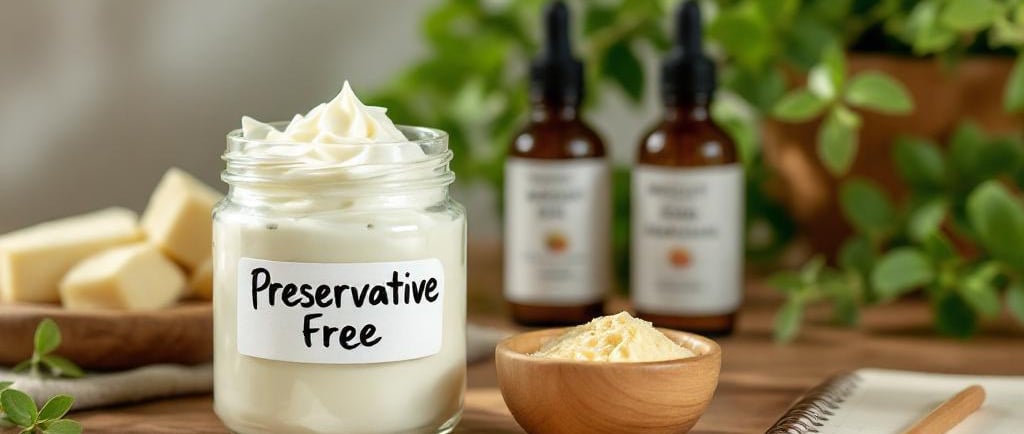
When you pick up a bottle of lotion or body cream labeled "natural," do you ever wonder why it still contains a long list of unpronounceable ingredients? The truth is, most commercial body care products—even those marketed as natural—contain synthetic preservatives and emulsifiers. Why? Because water-based products require them to prevent mold, bacteria, and separation.
While there are eco-cert approved preservatives that many natural body care makers swear by, I still choose to make good old-fashioned pure natural body care with only plant-based ingredients. This topic can spark debate, but this blog isn’t here to argue whether certain preservatives are good or bad. Instead, we’re focusing on the basics—helping you understand why so many "natural" products contain synthetic ingredients, how to spot truly natural products, and why water-free (anhydrous) formulations are the ultimate choice for beginners.
Why Water-Based Products Need Preservatives and Emulsifiers
When you mix water and plant-based ingredients, you create an environment where mold, bacteria, and yeast can thrive. This is why even "natural" lotions and creams often contain:
Synthetic preservatives (like phenoxyethanol) to prevent mold and bacteria growth.
Synthetic emulsifiers (like polysorbate 20) to blend water and oil.
Here’s the catch: If a product contains water but doesn’t have a preservative, it’s not safe. I’ve seen handmade products at farmers' markets with water-based ingredients and no preservatives—this is a red flag. Without proper preservation, these products can grow harmful bacteria that you can’t see, smell, or feel until it’s too late.
Pro tip: If you’re shopping for truly natural products, check the ingredients list. If you see water (or "aqua" or a water-based product such as aloe or a floral water), it must contain a preservative and emulsifier to be safe. If it doesn’t, walk away.
Why Water-Free (Anhydrous) Body Care Is the Best Choice for Beginners
Preservative-free body care—also called anhydrous (waterless) formulations—is made solely from plant butters, oils, and waxes. Here’s why it’s perfect for beginners:
1. No Emulsifying = No Stress
Emulsifying water and oil is tricky—kind of like making mayonnaise. If you’ve ever tried and ended up with a separated mess, you know the struggle! Anhydrous products skip this step entirely, making them far easier to perfect.
2. No Need for Synthetic Preservatives
Without water, there’s little* risk of bacterial or mold growth, so you don’t need to figure out what preservative to use, how to source them or how to use them. This makes your formulations simpler, safer, and more natural. *Read #3 to learn why I say "little risk"
3. Longer Shelf Life
Waterless products last longer because they don’t spoil as quickly. Store them in a cool, dark place, and they can stay fresh for up to a year. BUT, be sure not to introduce water into your formulation when using it - always make sure to have clean dry fingers or a dry scoop when removing your preservative-free product from your jar.
4. Customizable & Beginner-Friendly
With just a few ingredients—like shea butter, almond oil, beeswax and essential oils—you can create body butters, balms, and oils tailored to your skin’s needs. No complicated chemistry required! And most formulas make it easy to swap ingredients for one that is more tailored to your skin type.
Healthier for Your Skin—and the Planet
What Goes on Your Skin Goes Into Your Body
Your skin is your body’s largest organ, and it can absorb much of what you put on it. While synthetic preservatives and emulsifiers can irritate sensitive skin, disrupt hormones, or cause allergic reactions, it’s important to remember that natural ingredients can also cause irritation. That’s why it’s crucial to do your research and choose ingredients that are less likely to trigger sensitivities.
When you make your own truly natural products, you control every ingredient, ensuring only the purest, most nourishing elements touch your skin. However, even natural formulations can cause reactions for some people. Keep a journal to note any irritation, helping you identify and avoid ingredients that don’t agree with your skin. This way, you can enjoy the benefits of natural body care safely and confidently.
Eco-Friendly & Sustainable
When you wash off conventional body care products, those synthetic ingredients go down the drain and into our waterways, which can cause harm to aquatic life and ecosystems. Anhydrous products are biodegradable and non-toxic, making them a greener choice for you and the planet.
Plus, by making your own, you reduce plastic waste from packaging. Reuse glass jars or tins, and you’ve got a zero-waste solution!
How to Get Started with Preservative-Free Body Care
Ready to dive in? Here’s how to begin:
Start Simple: Try a 3-ingredient body butter (like shea butter, apricot oil, and lavender essential oil). Check out our easy recipe here.
Experiment: Swap out butters and oils to find what works best for your skin.
Learn More: If you want to master the art of formulation, my book, The Conscious Formulator’s Guide to Natural Body Care, is your ultimate resource.
Be Mindful: There is lots of misinformation on the internet. Anyone can write anything online, so when formulating a product always be sure to research ingredients and look up reputable sources. Ie. data from cosmetic chemists, aromatherapist, or peer-reviewed journals.
Why My Book Is More Than Just Recipes
Unlike typical DIY body care books, The Conscious Formulator’s Guides don't just give you recipes—they teach you how to formulate like a pro. You’ll learn:
✅ How to choose the right ingredients for your skin type.
✅ The science behind anhydrous formulations.
✅ How to customize and troubleshoot your own creations.
✅ Ethical ingredient sourcing and sustainability tips to keep your practice eco-friendly.
This book is a lifetime resource, whether you’re a beginner or looking to refine your skills. Think of it as your go-to guide for creating products that are safe, effective, and truly natural.
Final Thoughts: Empower Yourself with Preservative-Free Body Care
Preservative-free body care isn’t just a trend—it’s a return to simplicity, safety, and sustainability. By choosing anhydrous formulations, you’re protecting your skin, reducing waste, and taking control of what you put on your body.
So why not start today? Your skin (and the planet) will thank you!
Happy formulating!
Tara