BOOK A 1-ON-1 CONSULT | full Book to be released summer 2026 | COURSES COMING THIS FALL

The Mistakes Beginners Make in DIY Body Care (And How to Avoid Them)
Avoid these common DIY body care mistakes—from incorrect measurements to poor ingredient choices—and learn how to create perfect, natural products every time with expert tips and easy fixes!
EDUCATION
Created by: Tara Holguin
When I owned my natural body care stores in Toronto, I didn’t just sell ready-made products—I also provided ingredients and advice for DIY enthusiasts. Over the years, I heard countless stories from customers who struggled with their homemade creations. Many of their issues came down to common mistakes—like incorrect measurements, poor ingredient choices, or improper storage. Today, I’m sharing these lessons with you so you can skip the trial and error and create perfect, nourishing products from the start!
1. Not Using a Scale (And Why It Ruins Your Recipe)
The Mistake: Eyeballing measurements or using volume (like tablespoon or cup type measurements) instead of weight.
Why It’s a Problem:
Inconsistent results—your recipe might turn out perfect one time and fail the next.
Texture issues—too much oil or butter can make your product greasy, too hard/soft, or not allow for the right balance to make a fluffy body butter when whipping.
The Solution:
Buy a digital scale (even a budget-friendly one works like this one).
Always measure by weight—this ensures accuracy and repeatable results.
2. Poor Ingredient Choices (And How to Pick the Right Ones)
The Mistake: Trusting everything you read online without verifying the facts.
Why It’s a Problem:
Misinformation is everywhere. For example, I used to think coconut oil was great for dry skin—until I learned it can actually dry skin out over time. This information came from a cosmetic chemist who researched this product extensively.
Choosing the wrong oil for your skin type. For instance, using a heavy oil meant for dry skin on oily skin can make breakouts worse.
The Solution:
Look for research-backed information from trusted sources like peer-reviewed studies, cosmetic chemists, or experienced formulators who've done the research already (like me!).
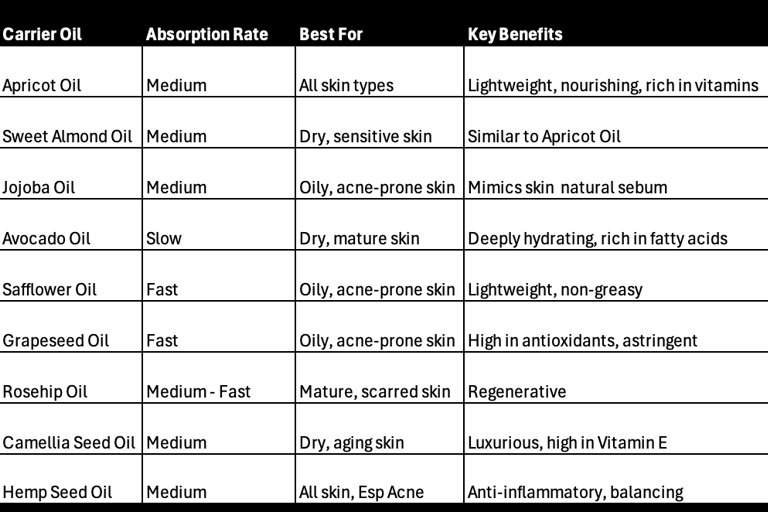
Understand the chemical composition of oils—some absorb quickly (like grapeseed oil), while others are richer and slower to absorb (like avocado oil). We've included a little guide below to get you going, but I will write a more involved blog on this that will dive more into the chemical composition and what to look out for when choosing one for your skin type (my book also tackles this topic)
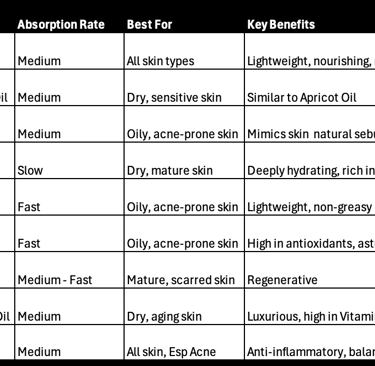
Carrier Oil Guide: Absorption Speed & Skin Type Suitability
3. Improper Storage (And How to Keep Your Products Fresh)
The Mistake: Storing products in tins in moist environments (which can cause rust) or using containers that aren’t airtight.
Why It’s a Problem:
Rust can contaminate your product.
Oxidation (from air exposure) can make oils go rancid faster.
The Solution:
Use glass jars with airtight seals (like mason jars).
Store in a cool, dry, dark place to extend shelf life.
4. Body Butter Not Fluffing Up When Whipped (How to Fix It)
The Mistake: Ending up with a liquid or lotion like body butter instead of a fluffy whipped cream like texture.
Why It’s a Problem:
Wrong ratio of butter to oil (too much oil = no fluff).
Not cold/hard enough when whipping.
The Solution:
Record your process in a journal to track what works.
Try this first: Put your mixture back in the freezer for 10–15 minutes, then rewhip.
If still too liquidy: Next time, use more plant butter (like shea or cocoa butter).
Always use a scale for accurate measurements.
5. Melting All Ingredients Together (And Ruining Their Benefits)
The Mistake: Heating essential oils or heat-sensitive carrier oils (like safflower oil) with the butters.
Why It’s a Problem:
Heat degrades nutrients—some oils lose their benefits when overheated.
Essential oils can evaporate or change composition when exposed to high heat.
The Solution:
Melt butters first, then let them cool slightly before adding carrier oils.
Add essential oils last, after the mixture has cooled.
Use a digital thermometer to monitor temperature (ideal: below 120°F/49°C).
6. Picking Essential Oils for Scent Only (And Ignoring Safety)
The Mistake: Choosing essential oils based on fragrance without researching their potency, safety, or skin benefits.
Why It’s a Problem:
Some oils cause irritation (e.g., citrus oils can be phototoxic causing you to burn easier).
Wrong concentrations can burn or cause extreme irritation
The Solution:
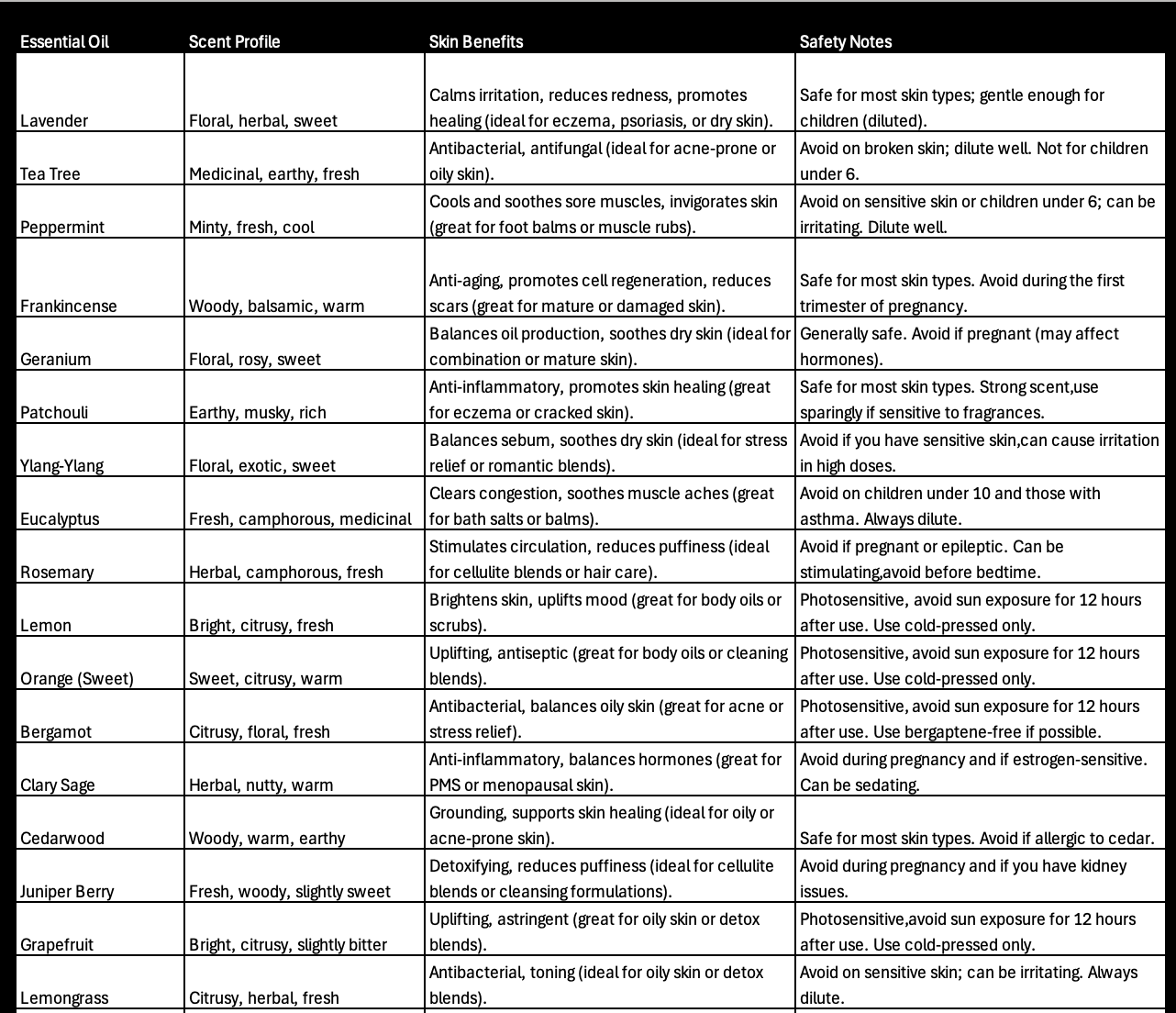
Use a trusted essential oil guide (like the one below).
Essential Oil Safety & Benefits Chart
7. Using Water-Based Ingredients Without Preservatives
The Mistake: Adding aloe vera, floral waters, or other water-based ingredients without a preservative.
Why It’s a Problem:
Water + plant oils = breeding ground for mold and bacteria.
Without a preservative, your product can spoil (even if it looks fine).
The Solution:
Avoid water-based ingredients unless you’re using a broad-spectrum preservative.
Stick to anhydrous (water-free) recipes if you’re a beginner.
Final Thoughts:
Learn from My Experiences (So You Don’t Have To!)
When I helped customers in my stores, the biggest lightbulb moments came from simple fixes—like using a scale, picking the right oils, or storing products properly. These small changes made all the difference in their DIY success.
If you’re ready to dive deeper into formulation, my book, The Conscious Formulator’s Guide to Natural Body Care, walks you through everything from ingredient selection to troubleshooting—so you can create like a pro without the guesswork!
Happy formulating!
Tara
(P.S. Got a DIY disaster story? Share it in the comments—I’d love to help!)