BOOK A 1-ON-1 CONSULT | full Book to be released summer 2026 | COURSES COMING THIS FALL

Ingredient Spotlight: The Unsung Heroes of Creating Non-Greasy Natural Skincare
Including a Body Oil Recipe Featuring these Oils!


If you’ve ever dipped your toes into DIY skincare or haircare, you know not all oils are created equal. When searching for the perfect oil, most of us want one thing: nourishing, moisturizing properties—because, let’s be honest, that’s the whole point of slathering on a moisturizer in the first place. But here’s the catch: heavy and greasy doesn’t always mean better. In fact, some of the most effective oils absorb beautifully, deliver deep hydration, and leave your skin feeling soft—not slick.
Now, I could go on about many lightweight, non-greasy oils that fit the bill. But today, I want to shine a spotlight on three of my all-time favourites—the ones I reach for again and again in my formulations. These aren’t just any oils; they’re the MVPs that bring moisture, stability, and/or balance to my blends—without the greasy aftermath.
1. Camellia Seed Oil: The Ultimate Multitasker Moisturizer
Why I Love It:
Camellia seed oil is the Swiss Army knife of plant oils. You can use it at 100% concentration—yes, straight up—on your hair, skin and nails, and it won’t leave you feeling like a greased-up frying pan. It’s lightweight, absorbs quickly, and delivers deep moisture and nutrients without clogging pores.
What It Does:
Hair: Adds shine, reduces frizz, and strengthens strands without weighing hair down.
Skin: Delivers superior hydration, soothes irritation, and improves elasticity. It’s packed with oleic acid, squalene and antioxidants, making it a good choice for dry and mature skin.
Nails & Cuticles: Softens and strengthens brittle nails.
Tara's Tips:
I love using camellia seed oil as a leave-in hair oil or a facial/body oil base.
It’s so gentle, you can even use it on sensitive skin.
When formulating for sensitive skin, this is a great base to start with at 100% to test to see if you experience any irritation. If you are in the clear, you can go ahead and add other ingredients one at a time to see what works for you.
2. Meadowfoam Seed Oil: The Antioxidant Stability Superstar
Why I Love It: Meadowfoam seed oil is expensive, but trust me—it’s worth every penny. This lightweight oil has one of the highest naturally occurring concentrations of vitamin E, which not only nourishes your skin but also extends the shelf life of your formulations. That means your DIY creations stay fresh longer, and you can worry less about rancidity.
What It Does:
Skin: Lightweight yet deeply moisturizing, it mimics the skin’s natural sebum, making it a perfect non-greasy choice for all skin types, including oily and acne-prone.
Formulation: Acts as a natural stabilizer, especially when blended with oils that go rancid quickly (like flax, perilla, or chia).
Tara's Tip: If you’re making a body oil or serum, adding meadowfoam seed oil ensures your product stays stable and effective for months while providing the Vitamin E your skin loves. You can cap it at 25% in a blend to keep costs manageable while still reaping the benefits.
3. Safflower Oil: The Underrated Carrier Oil
Why I Love It: Safflower oil can get overlooked as a quality oil because it’s cheap, but don’t let the price fool you. Its affordability comes from its ease of production and being widely available—not because it’s low quality. In my opinion, it’s one of the best oils for reducing greasiness in formulations while still delivering serious skin benefits. It's price tag is a bonus!
What It Does:
Safflower oil boasts one of the highest levels of linoleic acid (an omega-6 essential fatty acid). This powerhouse ingredient helps restore the skin’s natural moisture barrier, regulate sebum production, and prevent clogged pores. If you struggle with oily or acne-prone skin, this oil is a game-changer. Its high linoleic acid content also means it absorbs well into the skin and feels less greasy than other oils.
Non-Comedogenic: With a comedogenic rating of 0, safflower oil has virtually no chance of clogging pores. That makes it a safe, effective choice for anyone especially those prone to breakouts.
Anti-Inflammatory Properties: The linoleic acid in safflower oil also packs anti-inflammatory benefits, helping to soothe conditions like eczema and psoriasis. It calms redness and irritation, making it a gentle option for sensitive or reactive skin.
Lightweight and Fast-Absorbing: Unlike heavier oils, safflower oil has a light, non-greasy texture that absorbs quickly into the skin. It delivers hydration without leaving a heavy or sticky residue—perfect for daily use or adding to blends to help reduce an otherwise greasiness feel.
Tara's Tips:
If you’re making a facial or body oil for acne-prone skin, safflower oil is great option.
I love to use safflower when making deodorant instead of coconut oil. Since it absorbs so well it will be less likely to leave those underpit stains on your clothes.
Safflower oil will lighten the texture of blends and reduce greasiness in body oils, serums, and balms. Depending on your skin type, you can use it at 100% concentration, however I usually don't exceed 50%.
It’s also a fantastic carrier oil for essential oils, ensuring they spread evenly without weighing down the skin.
Final Thoughts: Why These Oils Belong in Your Routine
These three oils are game-changers in my formulations, and I hope they become staples in yours, too. Whether you’re looking for deep hydration (camellia), stability (meadowfoam), or lightweight moisture (safflower), these ingredients deliver—without the greasy mess. Here is a simple customizable formulation to get you started...
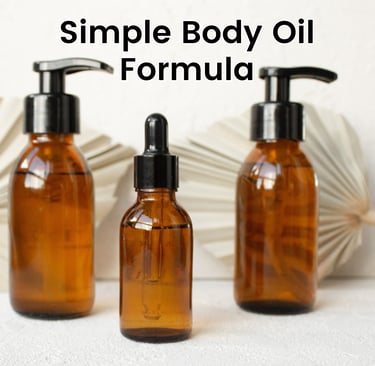
Lightweight Nourishing Body Oil
A fast-absorbing, non-greasy body oil blend that hydrates skin and calms the senses with lavender. Fits in a 120ml pump/dropper bottle.
Ingredients:
40 g camellia seed oil (deeply nourishing, lightweight)
20 g jojoba oil (balances skin, mimics natural sebum)
25 g meadowfoam seed oil (stabilizes blend, antioxidant, rich in vitamin E)
15 g safflower oil (reduces greasiness, lightweight)
1-1.5 g (20-30 drops) lavender essential oil (soothing + calming for body + mind)
Instructions:
Measure the Oils:
Put your bottle on a scale and tare the bottle. At 0, first add the camellia seed oil (40 g), jojoba oil (20 g), meadowfoam seed oil (25 g), and safflower oil (15 g).
Add Essential Oil:
Add 1-1.5 g(20-30 drops) of lavender essential oil to the oil blend. If you have sensitive skin, start with 1g (20 drops).
Cap It Up:
Put your pump or dropper on the bottle, then give a gentle shake.
Store:
Store in a cool, dark place to preserve freshness.
Allow a day or two for the scent of the essential oil to develop.
Why This Blend Works:
Camellia Seed Oil (40%): Delivers deep moisture without greasiness, helps retain moisture in the skin, softens the skin, provides anti-aging properties, and gentle enough for all skin types.
Jojoba Oil (20%): This liquid wax helps retain moisture in the skin longer. I like using this in a body oil formulation since we cannot use traditional wax like in body butters. **I didn't feature this oil since it is already widely promoted.
Meadowfoam Seed Oil (25%): Extends shelf life with its high vitamin E content, offers antioxidant properties for your skin, softens your skin, and adds a silky, non-greasy finish.
Safflower Oil (15%): Lightens the blend and reduces greasiness, making it absorb quickly, locks in moisture and repairs the skin barrier.
Lavender Essential Oil (1-1.5%): Calms irritated skin while offering healing properties and a pleasant calming scent.
How to Use:
Apply to damp skin after showering for best absorption.
Use as a daily moisturizer or post-sun soother to lock in hydration.
Perfect for massage—the lavender scent promotes relaxation.
Tara's Tips:
You can swap lavender for another essential oil of your choice but keep the total essential oil portion the same and do your research on what essential oil works for your skin type, and be careful of oils that cause photosensitivity (like citrus oils).
You can adjust the proportions of all the oils, but the essential oil concentration should not exceed 2% in a body formulation.
If this blend absorbs too quick for your skin type leaving it feel dry, you can substitute safflower for apricot, almond, or for even more help with dry skin, try moringa with a touch of avocado. We all have different skin types which is why I always like to empower those with enough knowledge to adjust formulations as they see fit.
Shelf Life: This blend should last 6–12 months if stored properly, thanks to meadowfoam’s stabilizing properties.
Ready to Dive Deeper?
If you loved this information and formulation and want to master the art of formulating truly natural body care, my new book, The Ultimate Guide to Formulating Truly Natural Bodycare, is here to help! I also offer one-on-one consulting services that you can check out here.
My book isn’t just another recipe book—it’s your comprehensive roadmap to creating custom, preservative-free products tailored to your skin’s unique needs. Inside, you’ll learn:
✅ How to select the best ingredients (and where to source them)
✅ The science of balancing textures, stability, and skin benefits
✅ Step-by-step formulation techniques for butters, oils, balms, and more
✅ Expert tips from years of trial, error, and success in natural skincare
✅ Recipes ranging from beginner-friendly to experienced DIYer
Whether you’re a beginner looking to craft your first body oil or an experienced DIYer ready to refine your formulations, this book will empower you to create products that work—without the guesswork.
Grab your digital copy of our book, or book your consultation, and start formulating with confidence!